

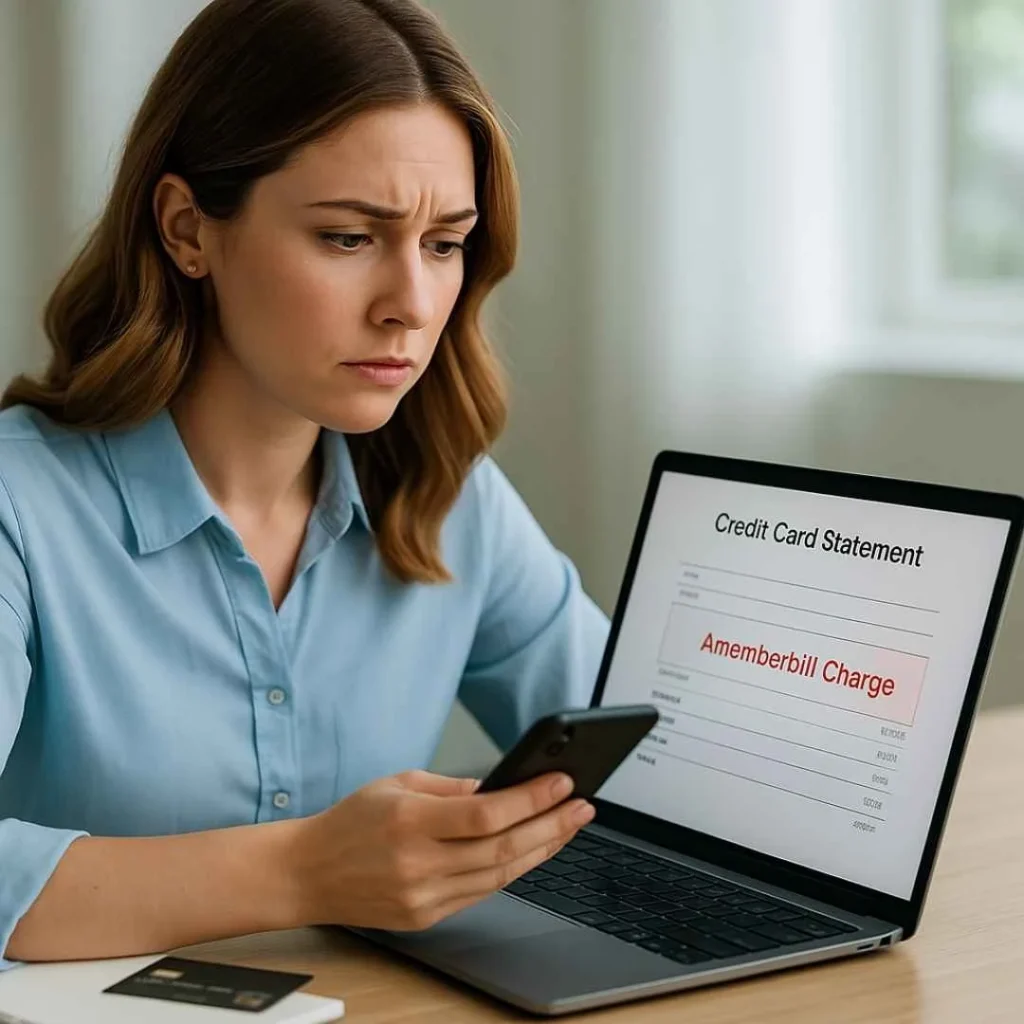
Finding an unfamiliar charge like amemberbill on your credit card statement can be stressful, especially when you don’t remember signing up for anything related to it. Many US users encounter this descriptor and instantly assume it’s a scam — and sometimes it can be. But in other cases, it’s simply a billing label used by certain websites and membership-based services. This guide breaks down exactly what the amemberbill charge on credit card means, when it’s legitimate, when it should raise concern, and what steps you should take right now to protect your money.
What Is the Amemberbill Charge on Credit Card?
The amemberbill descriptor typically comes from aMember, a membership and subscription billing software used by many websites. When you buy a digital product, subscribe to a membership program, or sign up for an online service that uses aMember for billing, the charge might appear under this label instead of the actual business name.
This is similar to how some payment processors display generic descriptors instead of company names. So, the presence of “amemberbill” does not instantly mean fraud. However, it also doesn’t guarantee the charge is legitimate — which is why verification is important.
Why This Charge Commonly Appears
Based on past user experiences, this charge typically appears for the following reasons:
- You Purchased a Membership or Subscription:-Some websites selling online courses, tools, or digital memberships use aMember to manage billing. If you signed up for a trial or recurring plan, this charge may be expected.
- You Bought a Product Through an Affiliate or Third-Party Site:-Smaller service providers sometimes outsource billing to platforms like aMember. The product name may be familiar, but the billing descriptor may not match, confusing users.
- You Enrolled in a Health, Wellness, or Discount Program:-Some membership-based benefits programs — particularly discount plans — have previously been linked to aMember billing systems.
- Someone Else Used Your Card:-If you truly never visited any related site or agreed to any subscription, the charge may be unauthorized.
Legitimate vs. Scam: How to Tell the Difference
When the Amemberbill Charge Is Legitimate
The charge may be legitimate if:
- You recently subscribed to a digital service or online membership
- You purchased something through a website that uses aMember
- You recognize the merchant after checking your email receipts
- You opted into a free trial that auto-renewed
Legitimate charges always come with:
- A confirmation email
- Clear cancellation instructions
- Product or membership access
- A working customer support channel
If these elements exist, the charge is likely valid.
When the Amemberbill Charge Can Be a Scam or Unauthorized
- Users were enrolled through phone calls or aggressive sales tactics:-Some consumers reported signing up for “health benefits,” “wellness plans,” or “discount memberships” through telemarketing — and later discovering the benefits didn’t work as promised.
- The plan or membership was unverifiable:-Several users said the service they paid for didn’t match any real provider or couldn’t be verified online.
- Recurring charges continued despite cancellation attempts:-Multiple reports mentioned continuous billing even after users believed they had canceled.
- Users had no recollection of signing up:-In these cases, the charge was completely unauthorized — likely card misuse.
If any of these match your situation, act immediately using the steps below.
Step-by-Step Guide: What to Do If You Didn’t Authorize the Charge
Check Your Email for Any Related Receipts
Search for terms like:
- “member”
- “billing”
- “subscription”
- “amember”
Sometimes receipts or trial-confirmation emails reveal the source instantly.
Review Your Card’s Full Billing Descriptor
There may be a phone number or website included. Search it online to see if it matches a known merchant.
Ask Family Members
Sometimes kids or partners accidentally subscribe to digital services.
Contact the Merchant (If Identifiable)
Send a simple message requesting cancellation and a refund.
(Template provided below.)
Contact Your Bank Immediately
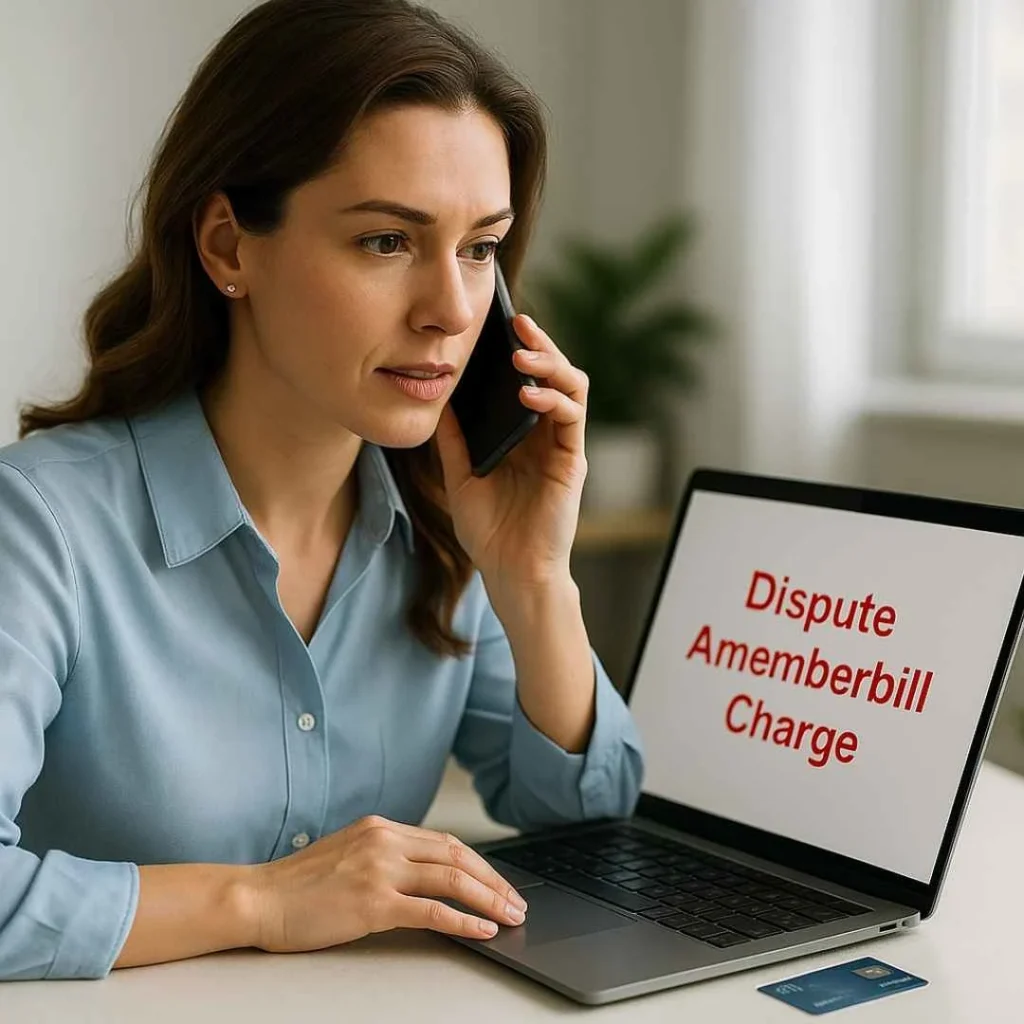
If the charge is unauthorized, call your card issuer and say:
I did not authorize this charge. Please open a dispute and block future transactions from this merchant
Most US banks grant provisional credit during investigation.
Freeze or Replace Your Card if Needed
If you suspect misuse, request a new card number.
Ready-to-Copy Templates
Template 1: Bank Dispute Message
I found an unauthorized charge labeled “amemberbill” on my credit card, and I did not approve this transaction. Please initiate a dispute, block any future charges from this merchant, and provide provisional credit while the investigation is completed.
Template 2: Merchant Refund Request
Hello, I noticed a charge from your service processed as “amemberbill,” and I did not knowingly authorize this payment. Please cancel any associated membership and issue a full refund. Thank you.
Read Also:-WICFT TOP Charge on Credit Card
FAQs
What is the amemberbill charge on my credit card?
It is a billing descriptor linked to the aMember subscription software used by some websites. It may represent a legitimate membership payment or an unexpected charge if someone used your details without permission.
Is the amemberbill charge a scam?
Not always. Sometimes it’s a valid subscription. However, several consumers have reported unauthorized or confusing charges, especially related to membership-style programs. If you do not recognize the charge, treat it as suspicious and investigate immediately.
How do I remove the amemberbill charge from my card?
If the charge is unauthorized, contact your bank and file a dispute. If it’s a service you accidentally subscribed to, reach out to the merchant for cancellation and a refund. Banks usually provide provisional credit during the investigation.
How can I prevent such unknown charges in the future?
Monitor your statements monthly, avoid sharing card info on calls, disable auto-renewals for unused services, and use virtual cards for trials. These steps reduce the risk of unwanted recurring charges.
Conclusion
The amemberbill charge on credit card can be either a harmless membership payment or a sign of unauthorized activity. Understanding the source is the key to protecting your money. By reviewing receipts, checking the descriptor details, and following the step-by-step dispute process, you can resolve the issue quickly. Most importantly, trust your instincts — if something doesn’t feel right, contact your bank immediately. Staying alert and reviewing your statements regularly will help you avoid similar unwanted charges in the future.

Emma Rose is a U.S.-based personal finance writer and a regular contributor at Cardix.us. She focuses on topics like credit cards, credit scores, and everyday money management. Emma’s writing makes complex financial concepts simple and practical, helping readers make smarter credit and spending decisions with confidence.